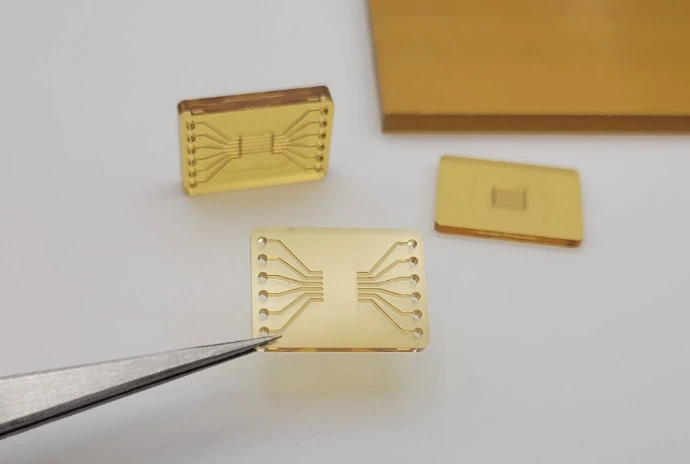
Microfluidic CNC machining
Precision machining of polymer components, channels and connection features.
Explore CNC machiningMICROFLUIDIC MANUFACTURING
Bondus manufactures polymer microfluidic devices, flow cells and bonded manifolds for diagnostics, biotech and analytical systems.
From a first prototype to repeat production, we manufacture components and assemblies to your specifications. Our in-house CNC machining, microfluidic bonding and functionalization technologies bring the production steps together.
Discuss your project View brochureLooking for a manufacturer for your microfluidic device or fluidic assembly? These product examples show how Bondus translates your specifications into components for diagnostics, life sciences and analytical instruments.
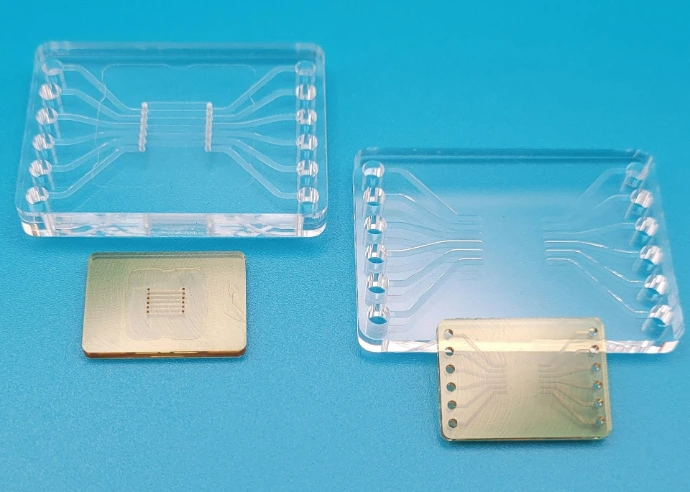
Polymer components with channels, chambers and connection features for controlled fluid handling.
Explore microfluidic devices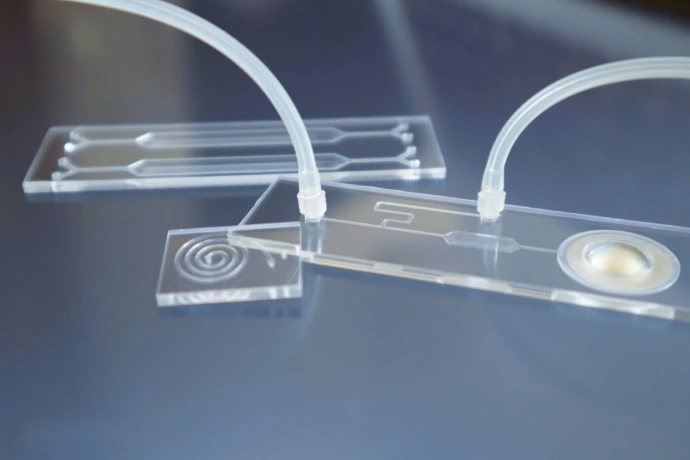
Fluidic assemblies for flow distribution, sensing and integration into instruments.
Explore flow cells and manifolds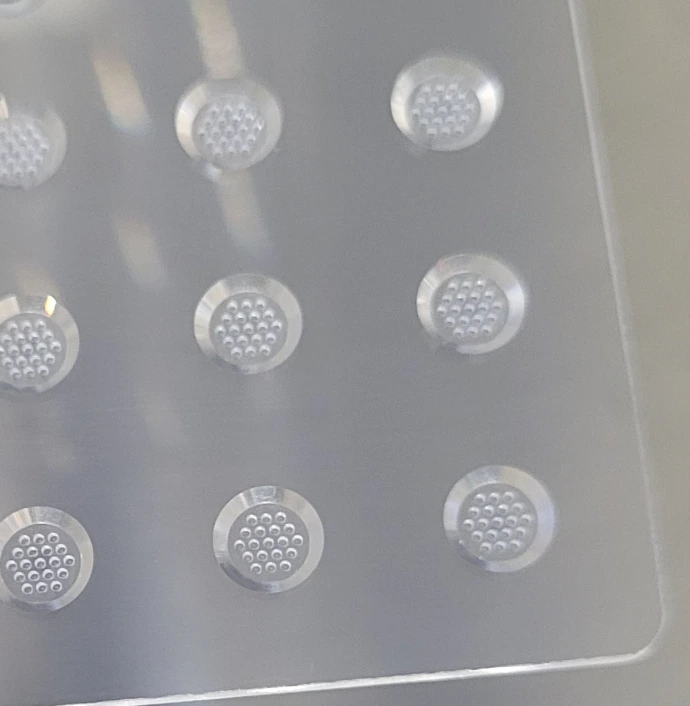
Microstructured bottom plates bonded to standard microplate formats for organoid and cell culture applications.
Explore organoid microplatesThe right manufacturing route depends on your materials, channel geometry and application. Explore the technologies we use to machine, functionalize and assemble your components.
Precision machining of polymer components, channels and connection features.
Explore CNC machining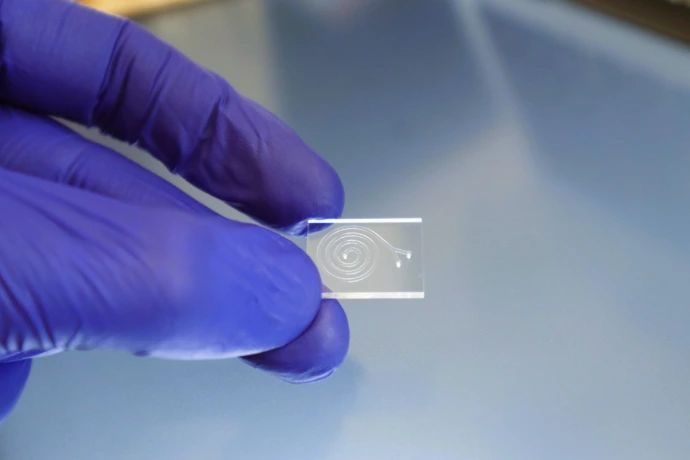
Direct bonding, ultrasonic welding, UV adhesive bonding and thermal bonding for sealing microfluidic assemblies. Material compatibility and application requirements guide the choice.
Explore microfluidic bonding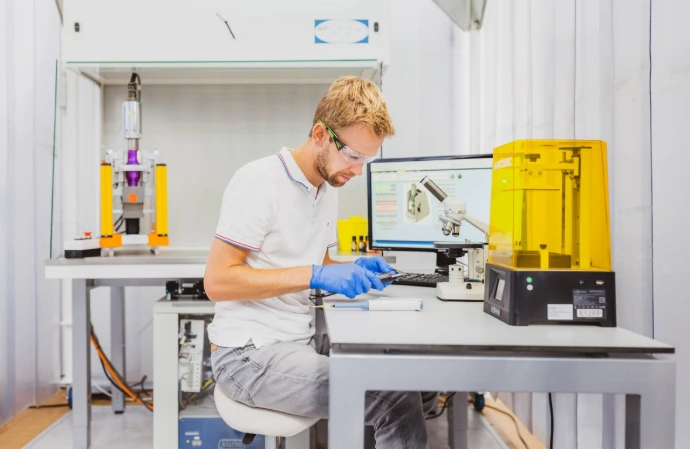
Controlled dispensing of reagents and biomolecules, from picoliter to nanoliter and nanoliter to microliter ranges, as part of your manufacturing process.
Explore micro-dispensing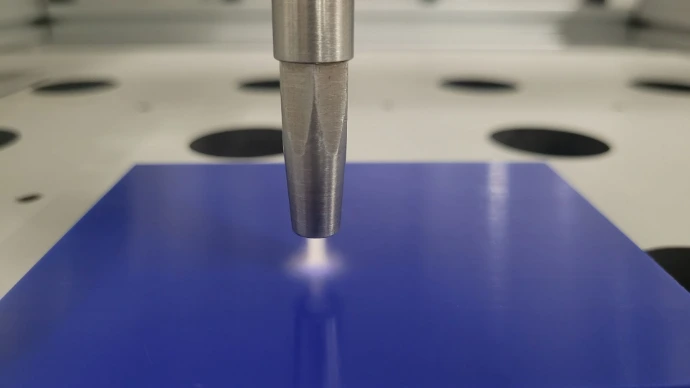
Surface preparation to support wettability, adhesion and subsequent processing.
Explore plasma surface treatment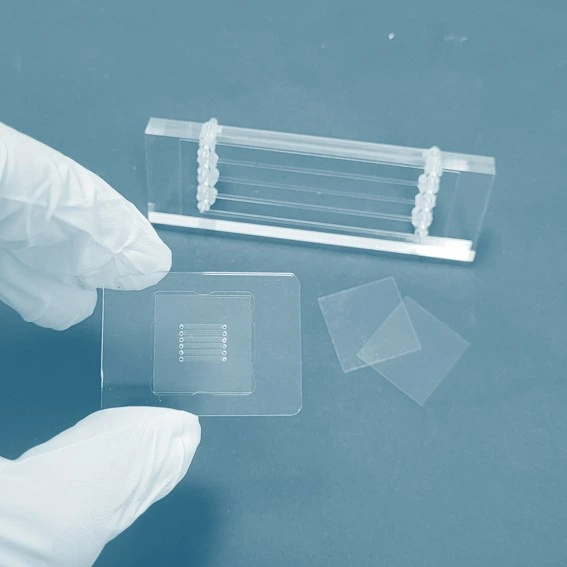
Polymer plates and foils selected for the functional and manufacturing requirements of your product.
Explore materialsUse our manufacturing capabilities at the stage your product needs: produce prototypes to evaluate your design, or arrange recurring production of components and consumables.
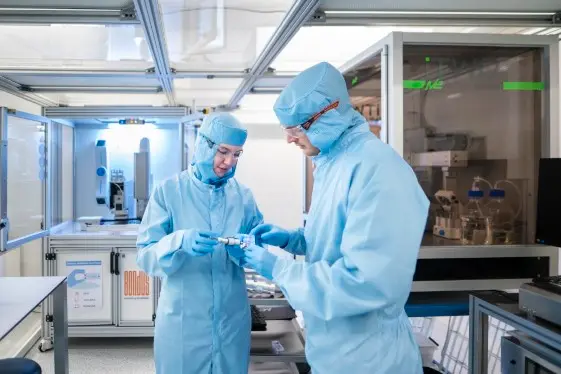
Recurring production of microfluidic consumables, flow cells and bonded manifolds, using agreed manufacturing processes.
Explore contract manufacturing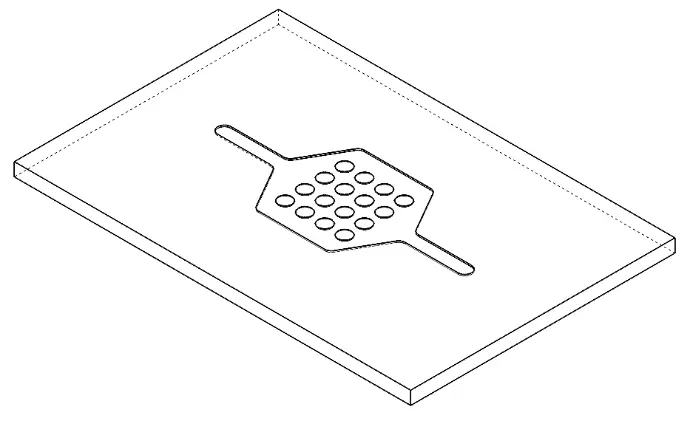
Production of design iterations to test materials, microstructures, functionalization and bonding before repeat manufacturing.
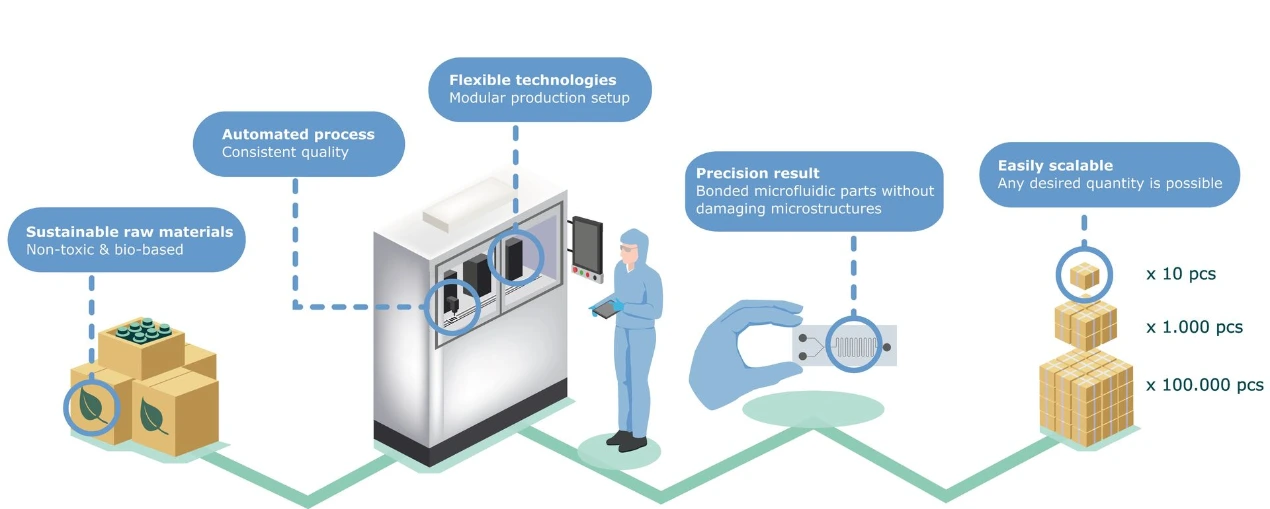
Explore prototyping servicesThe visual below shows how the manufacturing steps fit together. Microstructuring creates channels and chambers; functionalization adds reagents, coatings or other functional elements; bonding joins the layers to form the assembly. Your material, design and application determine which steps are needed. Prototype evaluation and process validation help establish the requirements for repeat production.
Our microfluidic products are used in diagnostics, biotech and analytical systems. Explore applications in point-of-care diagnostics, lab-on-chip systems and biosensors.
Need to integrate a component into an instrument? Discuss fluidic connections, functionalization and OEM integration with our team.
Bondus combines 90 m² of ISO 7 cleanroom space with an ISO 13485 certified quality management system. Process control, documentation and traceability support the manufacturing of microfluidic components and consumables.
View our quality standards and certificateNeed a prototype, a small series or recurring production? Tell us what your device needs to do and which manufacturing step you need support with. If available, include a drawing or specifications, your preferred material, expected quantities and timing. These details help our team assess a suitable manufacturing route.
Discuss your manufacturing project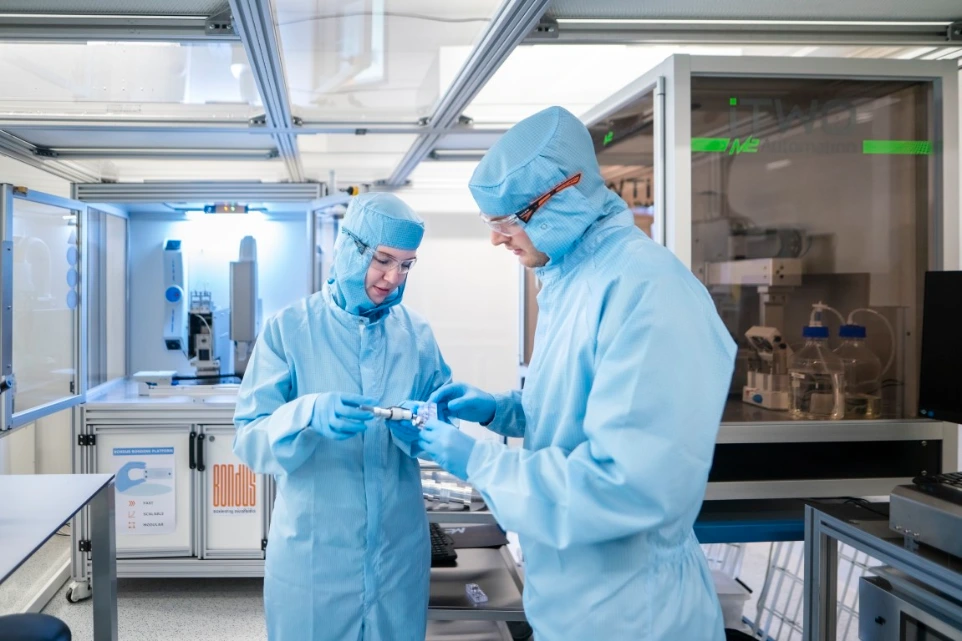
Choosing a manufacturing route for your microfluidic product.
Microfluidic device manufacturing combines the production of small channels, chambers and connection features with assembly steps such as functionalization and bonding. Bondus manufactures polymer components and assemblies for diagnostics, lab-on-chip applications and analytical instruments. Explore our microfluidic devices and flow cells and manifolds to see product examples.
Moving to repeat production starts with evaluating the design, materials and manufacturing process against your product requirements. Channel geometry, bonding, functionalization, inspection and documentation all affect that route. Bondus offers prototyping services to evaluate design iterations and contract manufacturing for recurring production. Discuss your expected quantities and requirements with our team to assess the next step.
Microfluidic bonding joins layers to close channels and chambers in a fluidic device. Choosing a suitable method requires assessing the materials, geometry, reagents and operating conditions. Bondus uses direct bonding, ultrasonic welding, UV adhesive bonding and thermal bonding. Read more about our microfluidic bonding capabilities and discuss which route fits your application.